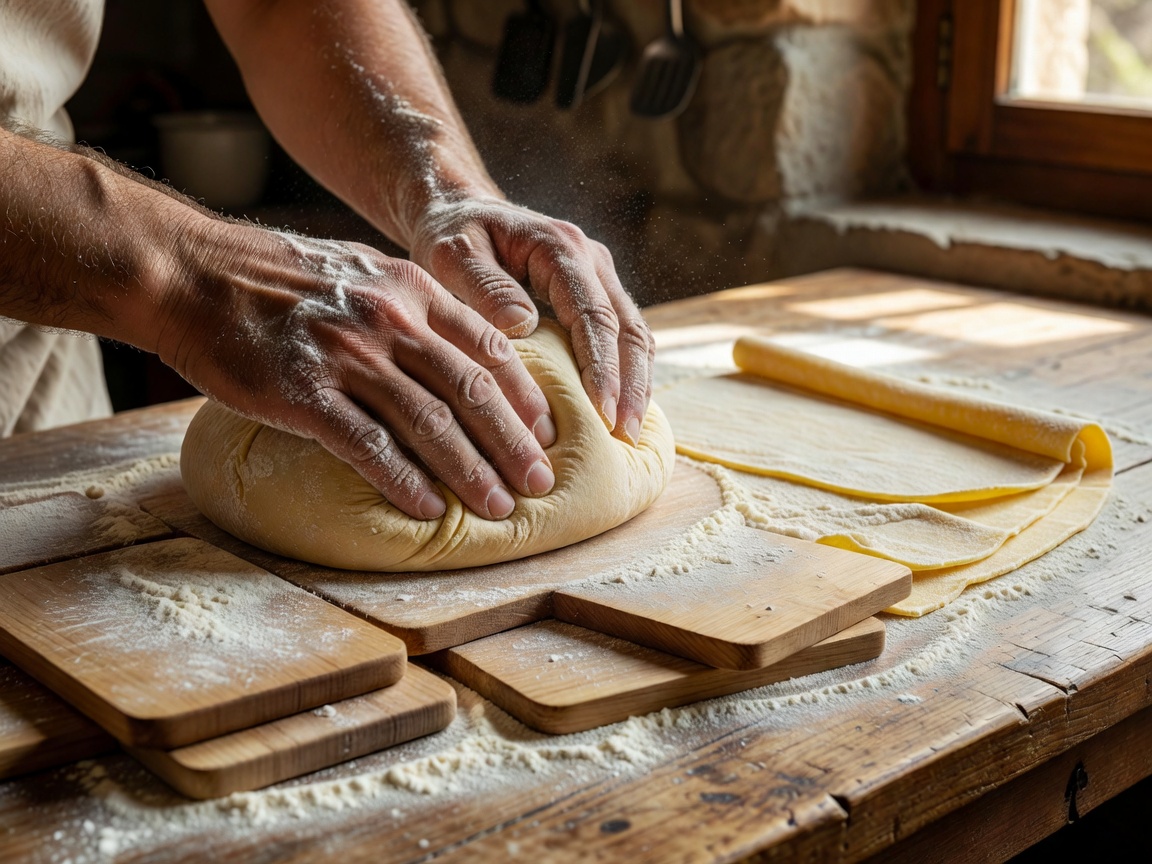
Workshop format / small groups
Pasta Making Workshops
Understand class flow, preparation, shaping, cooking and tasting without relying on invented venue claims.
Read the workshop guide →Italian Pasta Workshop Control / 01
Explore small-group pasta workshops and culinary experiences through regional techniques, pasta shapes, ingredients and Italian food traditions.
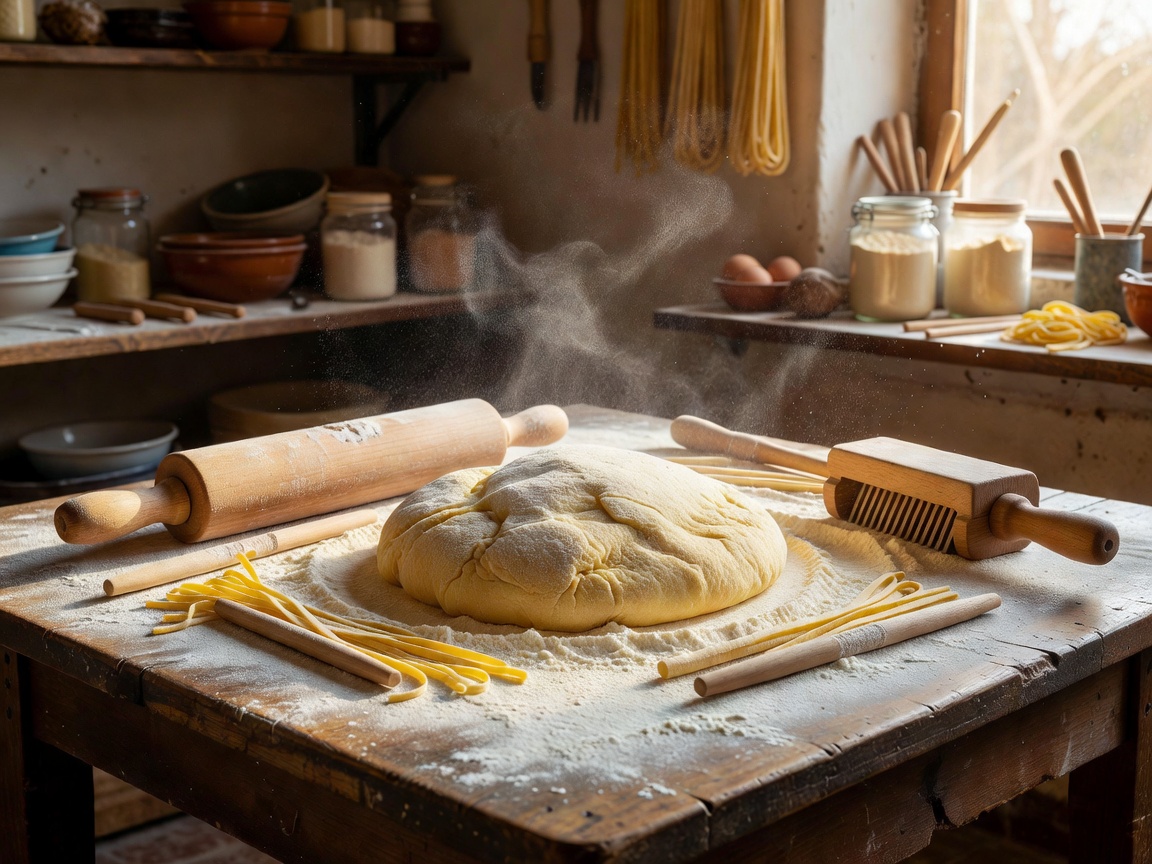
Field guide / five routes
Start with the practical detail: how pasta is made, where traditions differ, and how to plan a food-focused trip.
Workshop format / small groups
Understand class flow, preparation, shaping, cooking and tasting without relying on invented venue claims.
Read the workshop guide →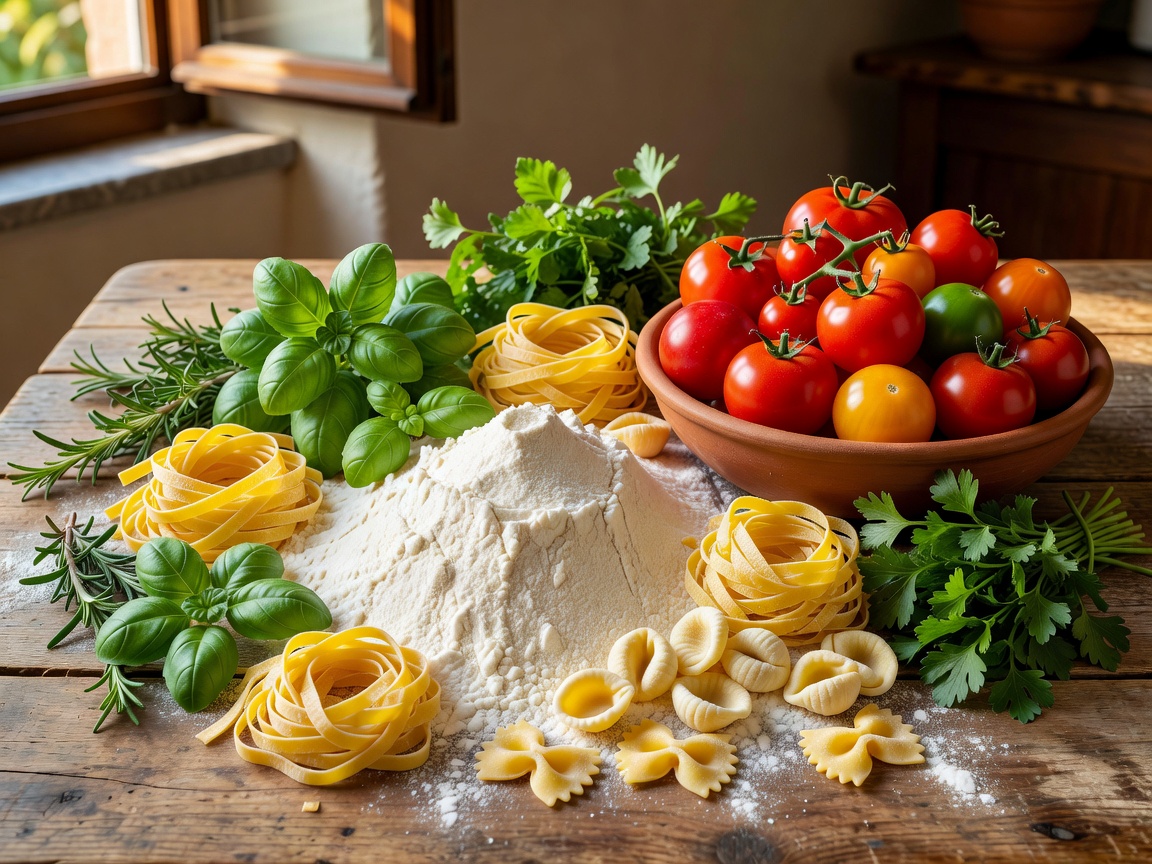
Regional lens / ingredients
Compare northern, central, southern and island approaches to dough, shape, sauce and local ingredients.
Trace the regional differences →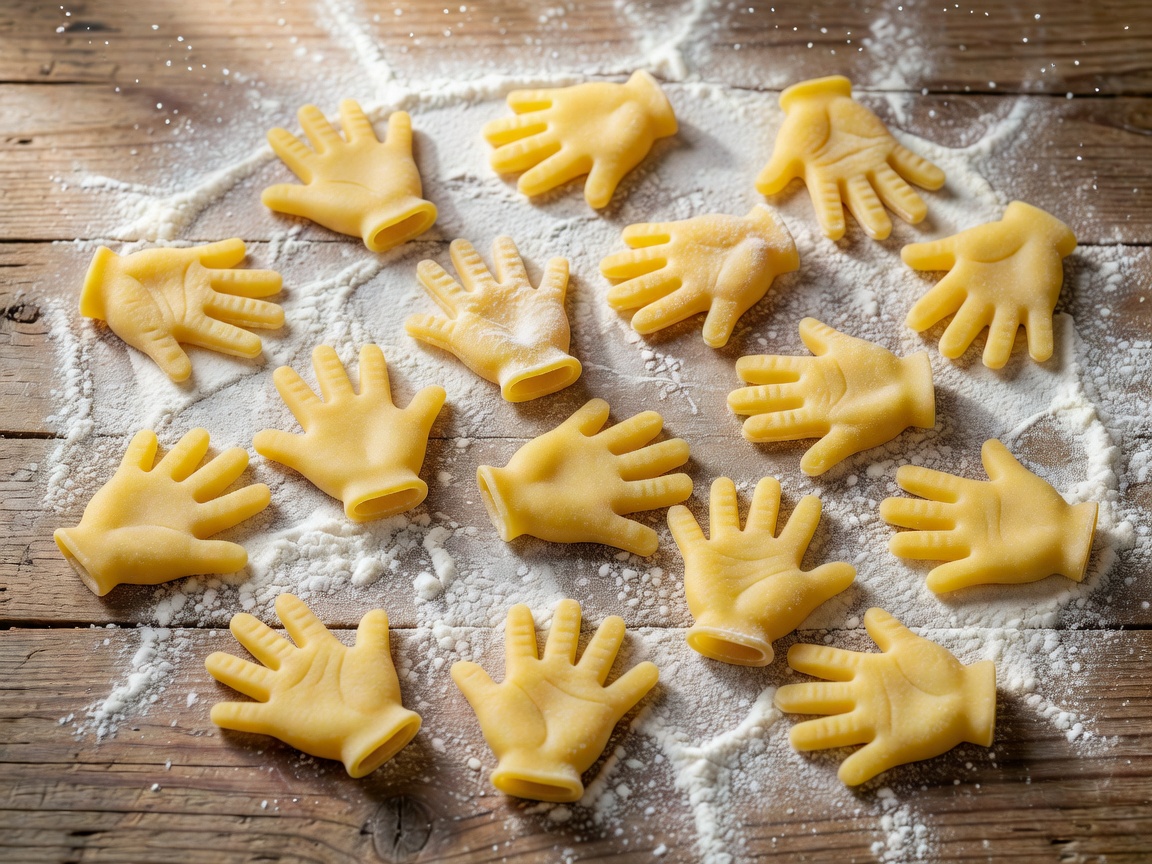
Technique / form and sauce
Learn how rolling, cutting, folding and extrusion affect texture, cooking and sauce pairing.
Study shape and method →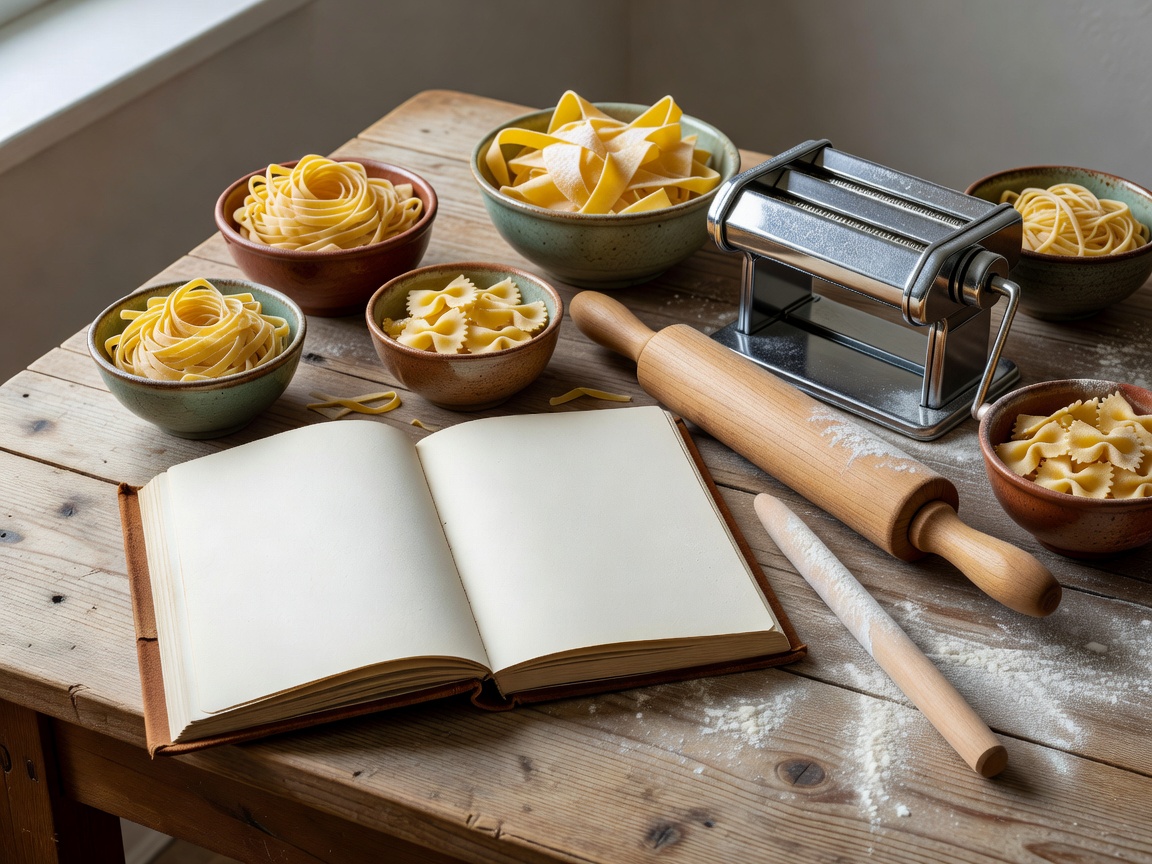
Planning / practical access
Set expectations around group size, timing, dietary needs, language, equipment and accessibility.
Plan with fewer surprises →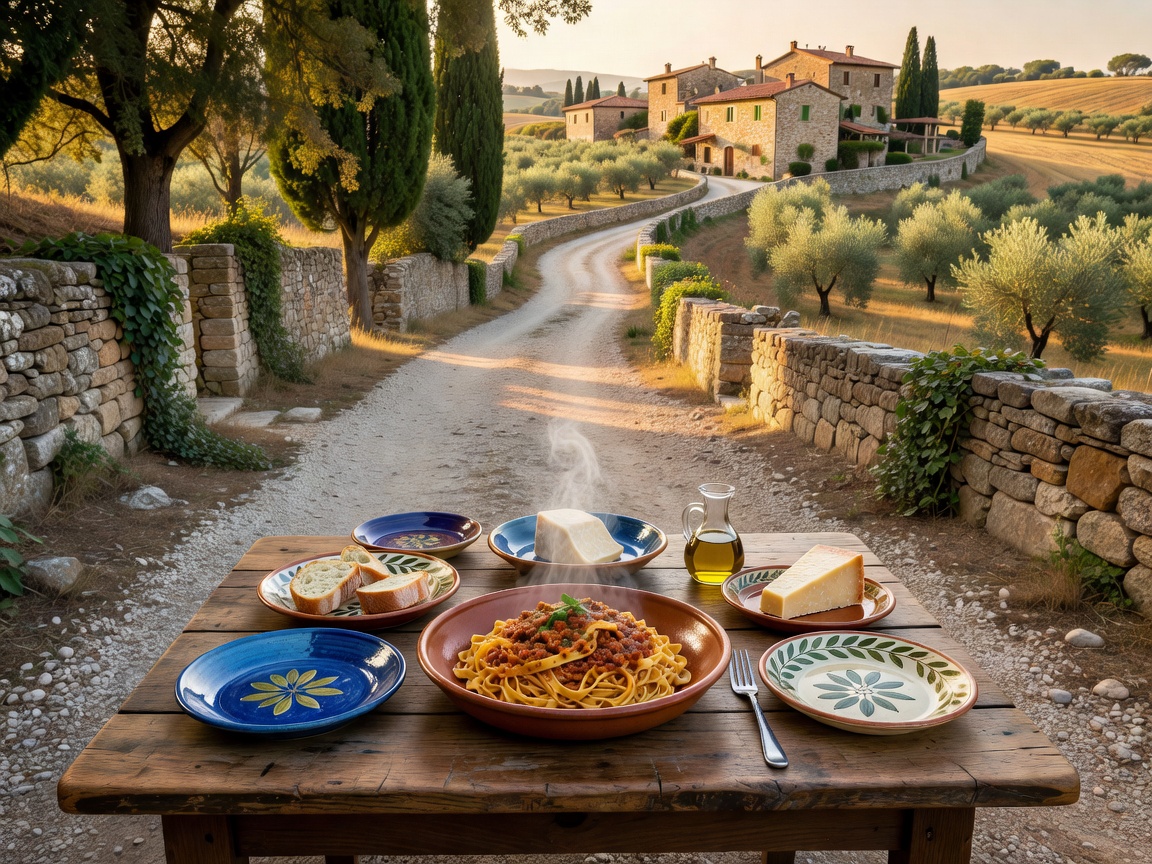
Travel / regional routing
Combine a workshop with regional travel while allowing space for transport, rest, season and responsible choices.
Build the travel route →Workshop sequence / working model
Flour, water or egg, hydration and rest create the starting texture.
Hands, board, knife or mould give the dough its regional identity.
Shape thickness and surface guide cooking and sauce contact.
Texture, seasoning and serving context become practical reference points.
Notes turn a one-day activity into a repeatable kitchen skill.
Need a practical starting point?