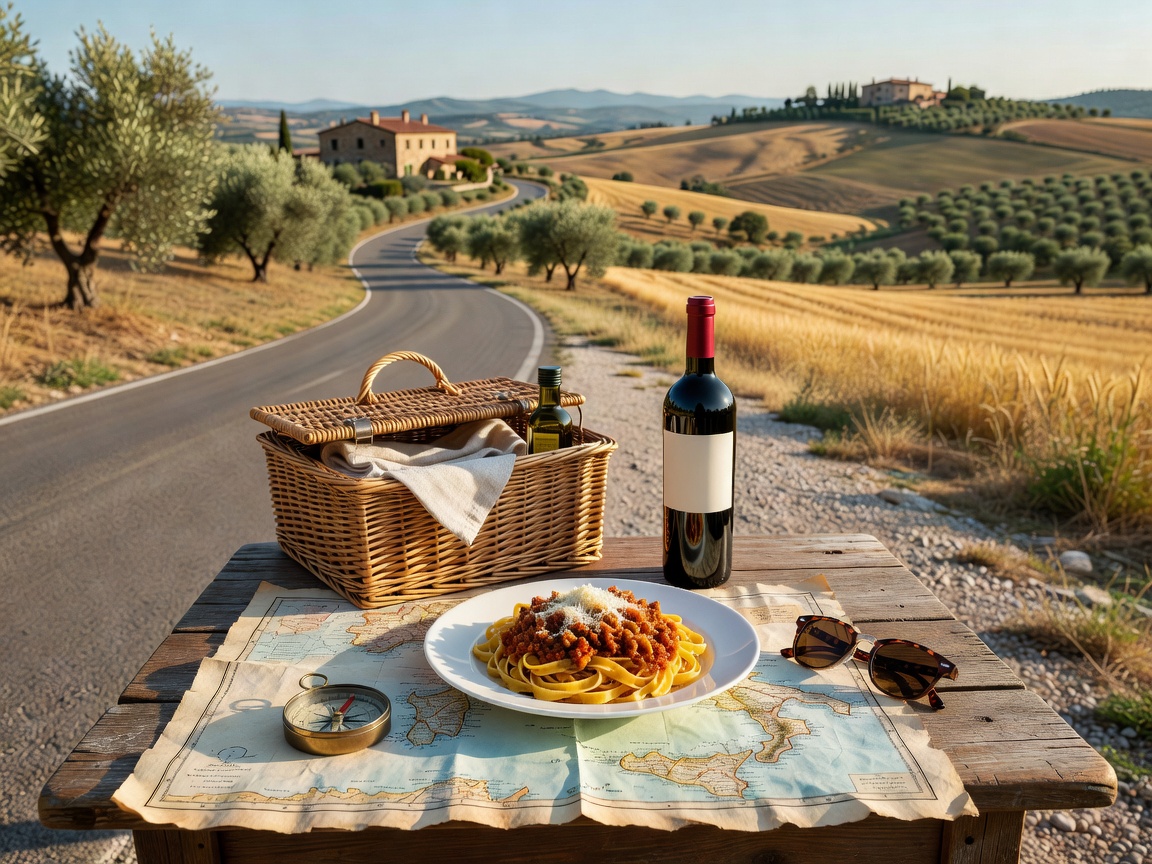
Select the region by learning objective
Choose a destination because of the technique or food context you want to understand. A northern route may suit travellers interested in egg pasta and filled forms. Central Italy offers strong connections between hand shaping, boards and local sauces. Southern and island routes can highlight durum semolina, water-based dough and drying traditions. These are broad lenses, not exclusive rules.
Urban locations simplify transport and offer more accommodation choices. Rural settings may provide a closer relationship with landscape and local ingredients, but they can require a car, longer transfers or fewer departure options. Confirm the exact meeting point before booking accommodation.
Season and itinerary spacing
Season affects ingredients, daylight, weather and transport reliability. It can also affect the type of workshop available. Seasonal claims and operating calendars change, so verify them with providers and local transport sources before travel.
Space food activities across the trip. A workshop involving standing, rolling and a full meal deserves a lighter following morning. Avoid placing it between two non-flexible transfers. A spare half-day is useful when a rural connection is delayed or a meeting point proves farther from the station than expected.
Transport and accommodation
Check the complete route: arrival station or airport, final local connection, walking surface, luggage storage and return journey. Regional transport may involve different operators and separate tickets. Current schedules are not permanent information and must be checked before departure.
Choose accommodation by route rather than image. A room near the departure point can reduce stress, while a countryside stay may support a slower food itinerary. Ask providers about the earliest practical arrival and latest return, especially where workshops are outside city centres.
Budget categories and food safety
Build separate categories for the workshop, accommodation, intercity travel, local transport, meals, equipment, insurance and contingency. Do not assume a published activity description includes transfers or a complete meal. Current prices require direct confirmation.
Send allergies and dietary requirements before booking. Carry translated information where useful, but do not treat translation as a guarantee of safety. Ask how ingredients and shared surfaces are handled. Responsible tourism also means respecting household-scale production, avoiding unnecessary waste and following local guidance around photography and access.
Evergreen planning checklist
- Select one regional technique rather than collecting unrelated stops.
- Verify meeting points, schedules, prices and availability shortly before travel.
- Leave buffers around workshops and transfers.
- Book accommodation according to the route, not only the destination name.
- Keep a contingency budget and an alternative indoor activity.